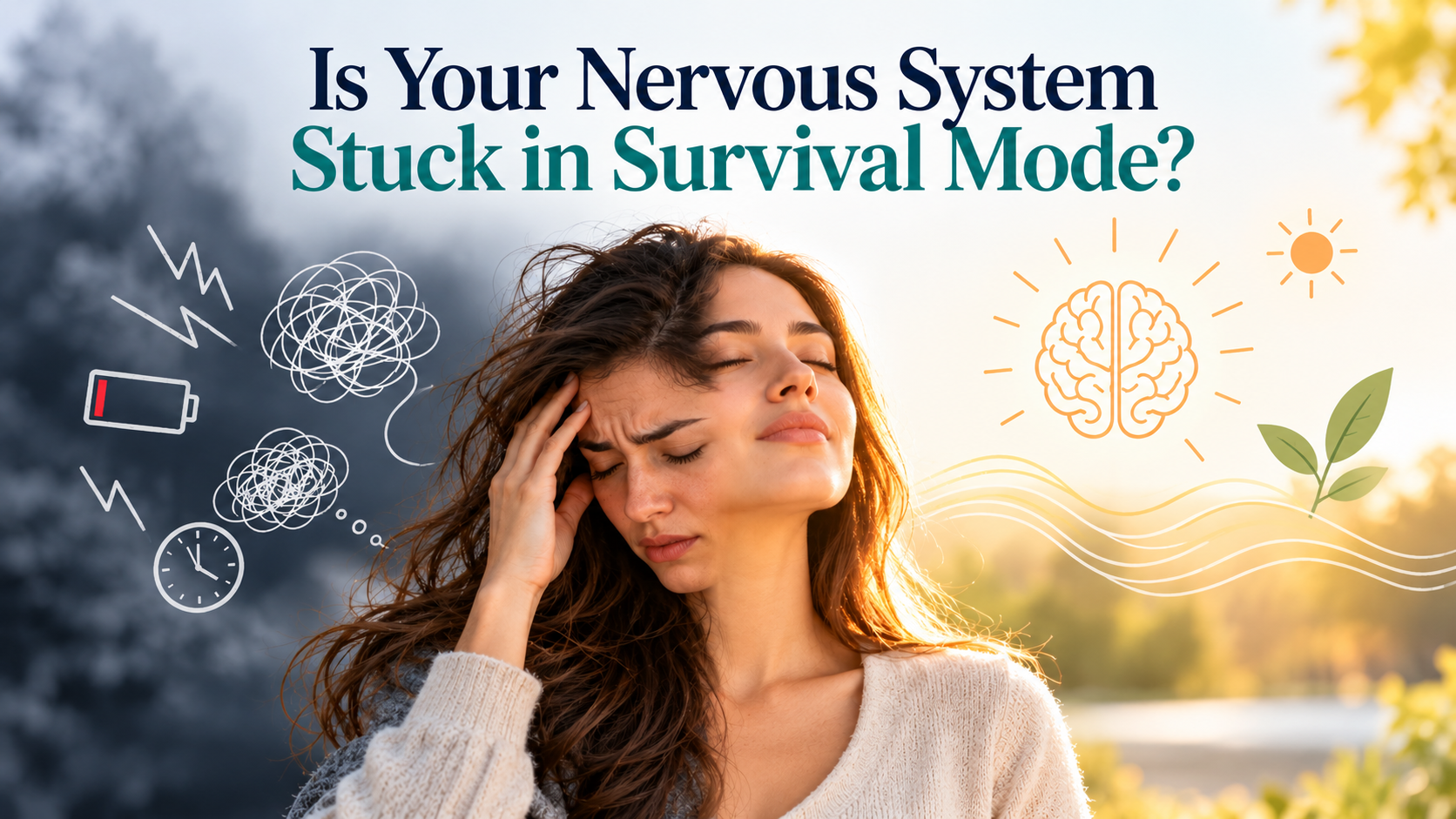
Understanding Autonomic Nervous System Dysregulation, Parasympathetic Dysfunction, and How to Restore Balance
Have you ever felt like your body is constantly “on edge” even when life seems relatively calm? Maybe you’re exhausted but can’t truly rest. You feel lightheaded when standing, your heart races, your digestion is unpredictable, you’re sensitive to noise or light, and stress seems to affect every part of your health.
If this sounds familiar, your symptoms may not be coming from one organ or one diagnosis. Instead, they may be related to autonomic nervous system dysregulation—an imbalance in the system that controls nearly every automatic function in your body.
At Living Wellness Medical Center, we frequently see patients with chronic, unexplained symptoms whose nervous systems have become “stuck” in a state of dysfunction. The good news is that the nervous system is remarkably adaptable, and with consistent therapy, it can often be retrained.
What Is the Autonomic Nervous System?
Your autonomic nervous system (ANS) controls the functions you don’t consciously think about:
- Heart rate
- Blood pressure
- Breathing
- Digestion
- Temperature regulation
- Sleep
- Hormone balance
- Immune function
- Blood flow
- Stress response
It has two major branches that work together.
Sympathetic Nervous System
Often called the “fight or flight” system.
It prepares your body for action by increasing heart rate, releasing stress hormones, diverting blood away from digestion, and increasing alertness.
Parasympathetic Nervous System
Often called the “rest, digest, heal, and restore” system.
This system allows your body to:
- Repair tissues
- Digest food
- Sleep deeply
- Calm inflammation
- Regulate immune function
- Recover after stress
Many people think the goal is simply to “activate the parasympathetic system.” In reality, healthy nervous systems smoothly shift between sympathetic and parasympathetic activity depending on what life requires. Problems arise when the nervous system loses this flexibility.
What Is Autonomic Nervous System Dysregulation?
Autonomic dysregulation occurs when the nervous system becomes “stuck” and loses its ability to adapt appropriately.
Instead of responding to stress and then returning to a calm baseline, the nervous system remains chronically dysregulated.
This can happen after:
- Viral illnesses (including COVID-19, EBV, influenza)
- Chronic infections
- Physical trauma
- Concussions
- Surgery
- Emotional trauma
- Chronic psychological stress
- Mold exposure
- Autoimmune illness
- Long-standing inflammation
Over time, the brain begins interpreting normal situations as threats, keeping the body in a persistent state of physiologic stress.
Common Symptoms of Autonomic Dysfunction
Because the autonomic nervous system controls nearly every organ, symptoms can seem unrelated.
Common symptoms include:
Fatigue and Energy
- Chronic fatigue
- Post-exertional crashes
- Feeling “wired but tired”
- Difficulty recovering after exercise
- Exercise intolerance
Cardiovascular
- Rapid heart rate
- Heart palpitations
- Lightheadedness
- Dizziness
- Feeling faint
- Blood pressure swings
- Cold hands and feet
Brain
- Brain fog
- Poor concentration
- Memory difficulties
- Sensitivity to stress
- Feeling overwhelmed easily
Digestive
- IBS
- Constipation
- Diarrhea
- Bloating
- Nausea
- Slow digestion
- Acid reflux
Sleep
- Difficulty falling asleep
- Frequent nighttime awakenings
- Non-restorative sleep
Pain
- Fibromyalgia
- Muscle tension
- Headaches
- Migraines
- Jaw tension
- Neck pain
Sensory
- Sensitivity to light
- Sensitivity to sound
- Sensitivity to smells
- Motion sensitivity
Immune
- Frequent infections
- Increased inflammation
- Mast Cell Activation Syndrome (MCAS)
- Multiple chemical sensitivity
Conditions Commonly Associated with Autonomic Dysregulation
Autonomic dysfunction is increasingly recognized as an important contributor to many chronic illnesses, including:
- Postural Orthostatic Tachycardia Syndrome (POTS)
- Chronic Fatigue Syndrome / Myalgic Encephalomyelitis (ME/CFS)
- Long COVID
- Fibromyalgia
- Ehlers-Danlos Syndrome (EDS)
- Mast Cell Activation Syndrome (MCAS)
- Chronic Lyme disease
- Chronic migraines
- Persistent post-concussion symptoms
- Anxiety disorders
- Functional gastrointestinal disorders
- Chronic pain syndromes
These conditions are complex and often involve multiple body systems. Nervous system retraining is not necessarily a cure, but it can become an important piece of a comprehensive treatment plan.
Can the Nervous System Heal?
Yes.
One of the most exciting discoveries in neuroscience is neuroplasticity—the brain’s remarkable ability to reorganize and form new neural connections throughout life.
This means that the autonomic nervous system can often become more resilient with repeated, consistent input that signals safety. Just as years of stress can reinforce survival pathways, regular therapeutic practices can help strengthen pathways associated with regulation, recovery, and resilience.
Progress usually comes gradually. Think of it like physical therapy for your nervous system: short, consistent sessions performed regularly are generally more effective than occasional, intense efforts.
At-Home Exercises to Calm and Retrain the Nervous System
The key is consistency. Even 5–15 minutes each day can help reinforce healthier autonomic patterns over time.
1. Slow Diaphragmatic Breathing
One of the simplest ways to influence the vagus nerve.
Try:
- Inhale for 4 seconds
- Exhale for 6–8 seconds
- Continue for 5–10 minutes
A longer exhale tends to encourage a calming physiologic response.
2. Humming or Singing
The vagus nerve helps control the muscles of the vocal cords.
Daily humming, chanting, singing, or gentle vocalization may help stimulate vagal pathways while promoting relaxation.
3. Gargling
Forceful gargling for 30–60 seconds can activate muscles innervated by the vagus nerve.
It sounds simple, but many patients find it surprisingly effective when practiced consistently.
4. Gentle Cold Water Exposure
Splash cool (not painfully cold) water on your face or briefly apply a cool compress to the cheeks and around the eyes.
This may activate the mammalian diving reflex, which can promote a slowing of the heart rate in some individuals.
5. Mindfulness or Meditation
Even 10 minutes daily may reduce stress reactivity over time.
Guided meditation, body scans, prayer, or mindful breathing are all reasonable options.
6. Yoga or Tai Chi
Slow, mindful movement combines:
- Breathing
- Balance
- Body awareness
- Gentle exercise
Studies suggest these practices may improve autonomic regulation and reduce perceived stress.
7. Gentle Walking
For many patients, especially those with POTS or ME/CFS, pacing is essential.
Rather than pushing through fatigue, focus on consistent movement within your energy limits and gradually build tolerance over time under the guidance of your healthcare provider.
8. Good Sleep Habits
Healthy nervous systems recover during sleep.
Helpful habits include:
- Consistent bedtime
- Morning sunlight exposure
- Limiting screens before bed
- Keeping the bedroom cool and dark
- Limiting caffeine late in the day
Professional Therapies That May Help
For many patients, combining home exercises with professional therapies provides the greatest benefit.
Safe and Sound Protocol (SSP)
The Safe and Sound Protocol is a listening therapy developed by Dr. Stephen Porges based on Polyvagal Theory.
Specially filtered music is designed to help the nervous system recognize cues of safety and gradually reduce chronic defensive responses.
TruVaga® and Pulsetto®
These handheld vagus nerve stimulation devices deliver gentle electrical stimulation through the neck.
Some patients report improvements in:
- Stress resilience
- Anxiety
- Sleep
- Heart rate variability
- Overall nervous system regulation
Results vary from person to person, and consistent use is generally needed for several weeks or months before meaningful improvements are noticed.
Craniosacral Therapy
Craniosacral therapy is a gentle, hands-on treatment intended to reduce tension within the nervous system and surrounding connective tissues.
Many patients describe feeling deeply relaxed after treatment, and some experience improvements in pain, headaches, or stress-related symptoms.
As with most nervous system therapies, benefits often develop with a series of treatments rather than a single visit.
Acupuncture
Acupuncture has been studied for its effects on autonomic regulation, pain, sleep, and stress. Some research suggests it may help influence autonomic balance in certain individuals.
Many patients notice improvements in:
- Sleep
- Stress tolerance
- Pain
- Digestion
- Energy
Regular treatment over several weeks is usually more effective than occasional sessions.

Procaine IV Therapy
At Living Wellness Medical Center, we also offer Procaine IV Therapy as part of selected individualized treatment plans.
Procaine has been used internationally for decades and may support relaxation of the autonomic nervous system while helping reduce pain and improve circulation in some patients. Many individuals describe feeling calmer, more relaxed, and less “stuck” in a stress response after treatment.
As with many therapies targeting autonomic regulation, a series of treatments is often recommended to achieve the best results. Your provider can help determine whether this therapy may be appropriate for your unique health history.
Healing Is About Consistency
One of the most important things to understand is that nervous system healing is rarely instantaneous.
Just as the nervous system often becomes dysregulated over months or years, it usually requires repeated signals of safety to build healthier patterns. Small daily practices, combined with targeted therapies and personalized medical care, can gradually improve resilience and quality of life.
If you’ve been told “everything looks normal” but you still don’t feel well, know that your symptoms are real. Looking at nervous system regulation may provide another important piece of the puzzle.
At Living Wellness Medical Center, we take a comprehensive approach to evaluating chronic fatigue, POTS, dysautonomia, long COVID, hormone imbalance, chronic inflammation, and other complex conditions. By combining evidence-informed medical care with therapies that support nervous system regulation, our goal is to help your body move from surviving to healing—one step at a time.
Talk to your Living Wellness Physician or schedule a free meet and greet at 480-588-6856.
